10-inch Micro Rack
Compact deployment for small cabinets, branch locations, and edge closets.
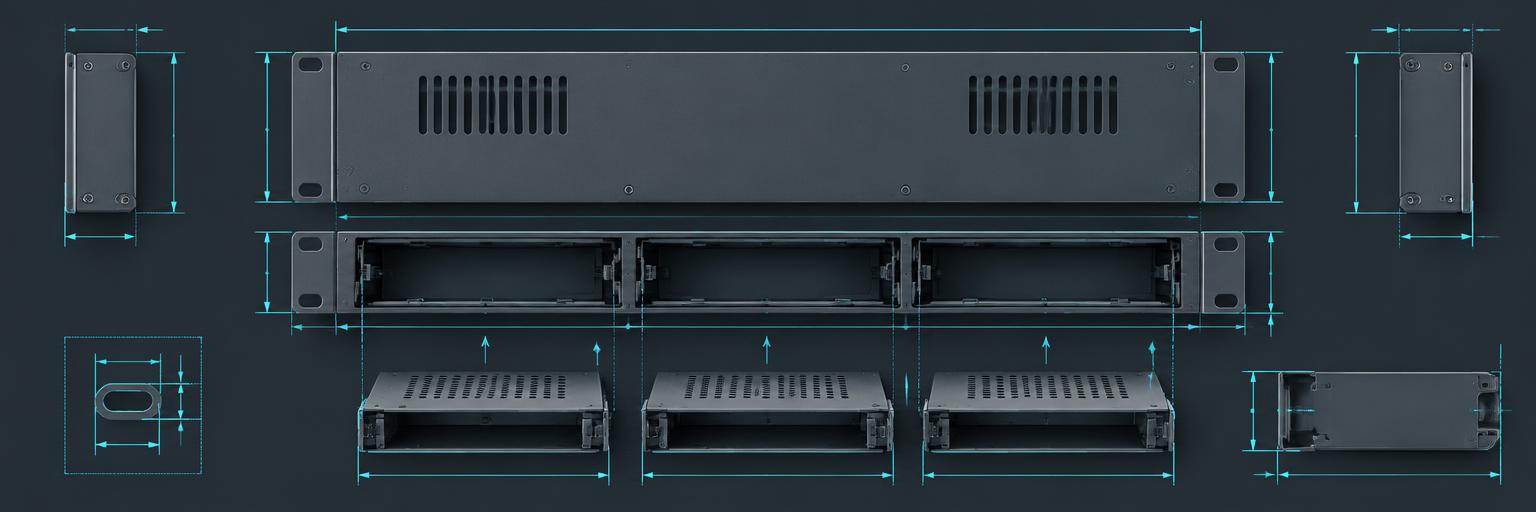
- Standard 10-inch cabinet support
- Three modules slide in and lock per 1U frame
PortGuard is a 1U modular network utility ecosystem for homes, prosumers, and small businesses. Low-power PoE modules slide into a standard rack frame, automatically discover each other, and work together locally — no annual license, no external cloud dependency, no bricked gear when you stop paying. You own the tools, so you own the network.
Big name companies ship capable hardware that comes with a big upfront cost and a yearly license that can break IT budgets. Stop paying and the box you already own loses its security features or stops working entirely.
PortGuard replaces that subscription-dependent software with light, un-killable bare-metal firmware: no underlying OS, no Linux rootkits, no patch treadmill. If the internet drops or a cloud server is compromised, your switches and logging layers keep enforcing zero-trust policies locally. You buy what you need without all the strings that you don't want.
$0 in recurring fees. The price you pay once is the only price.
Modules discover each other locally. No external cloud dependency, no telemetry you didn't ask for.
Slide a module in, lock it down, connect PoE. Light firmware that won't be killed by a lapse in payment.
PortGuard is an investment, not a line item. Three financial pillars turn the purchase into measurable, defensible savings — and a single avoided breach pays for the fleet.
The average cost of a corporate data breach in infrastructure sectors exceeds $4.5 million, and regulations like HIPAA, PCI-DSS, and SOC2 levy massive daily fines for gaps in cryptographic logging or unsecured physical access ports. A single tamper event captured by the Port Density module or an un-alterable log caught by the Syslog Server can halt an active breach instantly — the device pays for itself the moment it prevents one compliance failure.
Traditional security appliances demand constant OS patching, antivirus management, and specialized IT personnel. PortGuard runs bare-metal compiled firmware — there is no operating system to patch, modify, or maintain. Once deployed, operational maintenance cost drops to virtually zero, saving an estimated $1,200 per node annually in IT labor and maintenance contract fees.
Running dedicated server towers or desktop PCs as syslog collectors or port monitors consumes immense power and bandwidth. Stacking those functions onto low-power microcontrollers — like the ESP32-P4 architecture — cuts draw from a standard 300W server tower to under 5W per device. Across a fleet of 50 facilities, that translates directly to thousands saved annually in energy and infrastructure overhead.
Each physical module slides into the frame and locks securely in place. Two low-profile rack options let you deploy exactly the home, prosumer, or small-office utilities you need — and only those.
Compact deployment for small cabinets, branch locations, and edge closets.
High-density utility for server rooms, NOCs, and security operations.
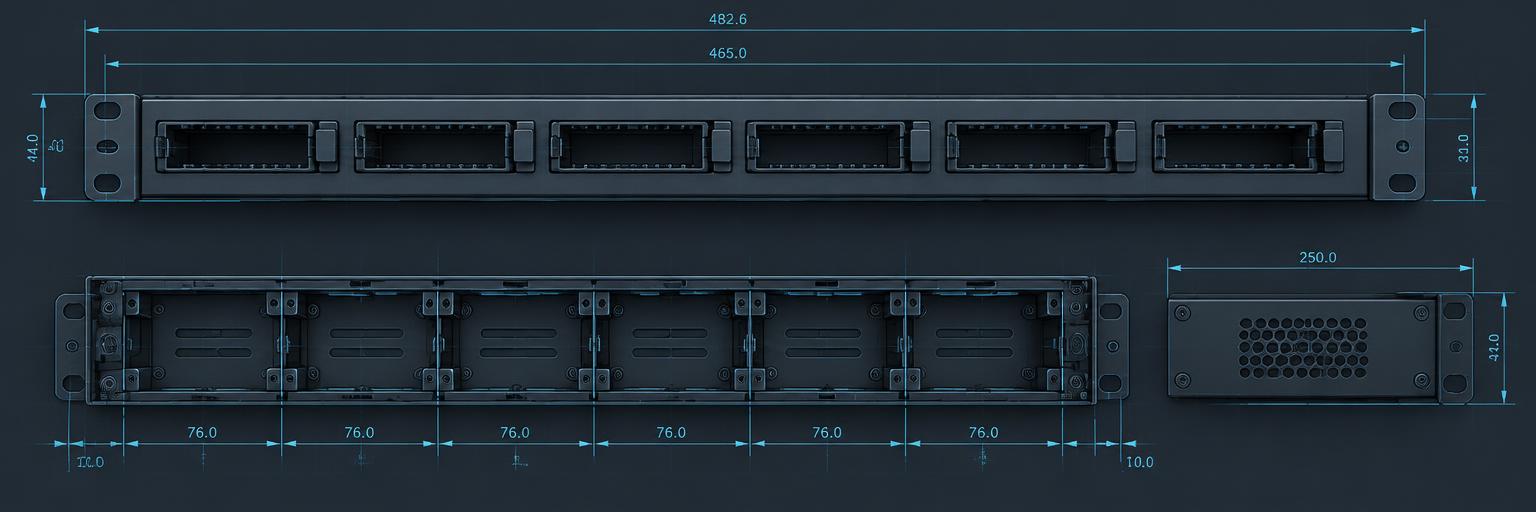
Each module connects independently, discovers the other active modules, and reports into the local console. You build a tidy, purpose-built shelf of physical utilities without expanding your rack footprint — and without a recurring bill.
Homes replacing cloud-tethered smart hubs with local automation
Prosumers consolidating network tools into one quiet rack
Small offices protecting printers, Wi-Fi, and access points without subscriptions
Managed service providers standardizing low-cost site kits for clients
Tell us your rack size, the modules you're considering, and what you want to protect or automate. A PortGuard network engineer will help you assemble a practical setup — no sales contract, no recurring quote.